
How I develop a visual language from scratch
Good illustration doesn't just decorate a place. It creates a thread between a viewer and a story.
That's what I'm always working toward, whatever the project. The Port Arthur deck of cards is a good example of how I get there.
The brief
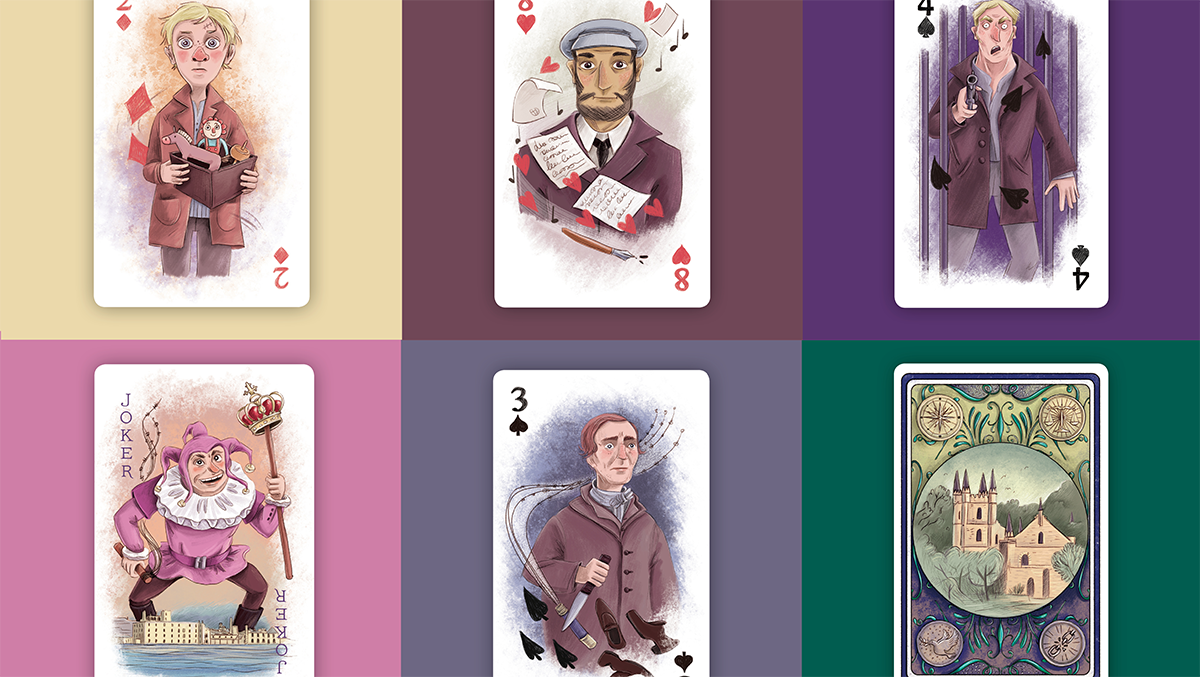
I was approached by PAHSMA, the Port Arthur Historic Site Management Authority, to submit a proposal for a new deck of playing cards for their Visitor Centre. Each card would feature a real person from Port Arthur's history, sitting within a broader interpretive experience that visitors could follow across the site. They already had an existing deck, Pack of Thieves, with its own strong identity. The new deck needed to complement it, contrast it, and feel fresh.
The audience wasn't just history buffs. It was every kind of visitor, young, old, local, international, many of whom might be picking up a convict story for the very first time.
The research
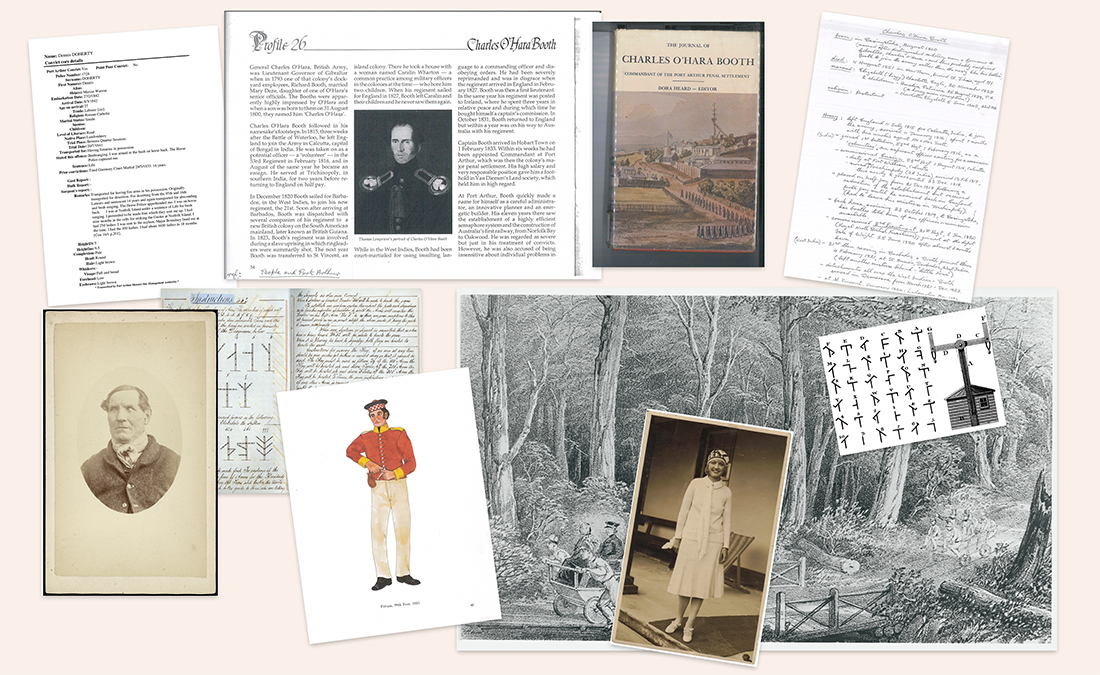
Before a single sketch, I immerse myself in the project. For Port Arthur that meant diving into PAHSMA's historical collection: convict records describing physical appearance in extraordinary detail, memoirs, newspaper articles, painted portraits, and for more recent figures, photographs. For some characters there was almost nothing to go on.
Each card required a different kind of reconstruction. Some felt like detective work. All of it felt like a privilege.
The process
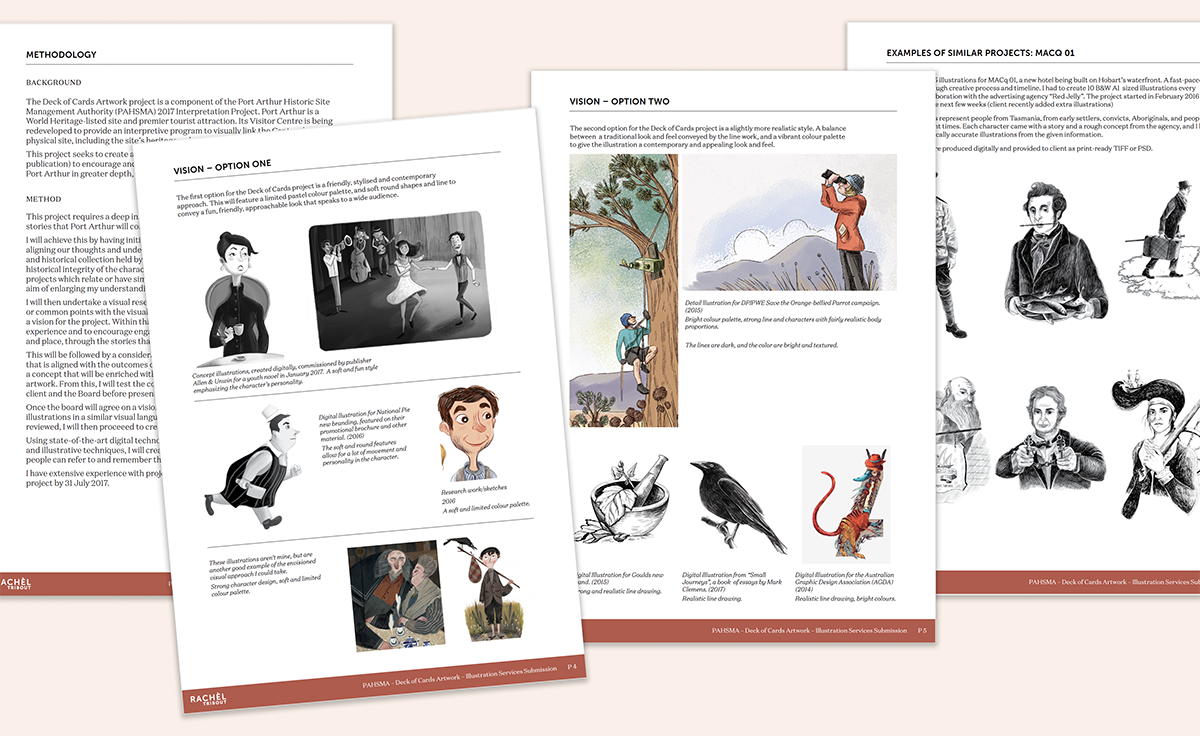
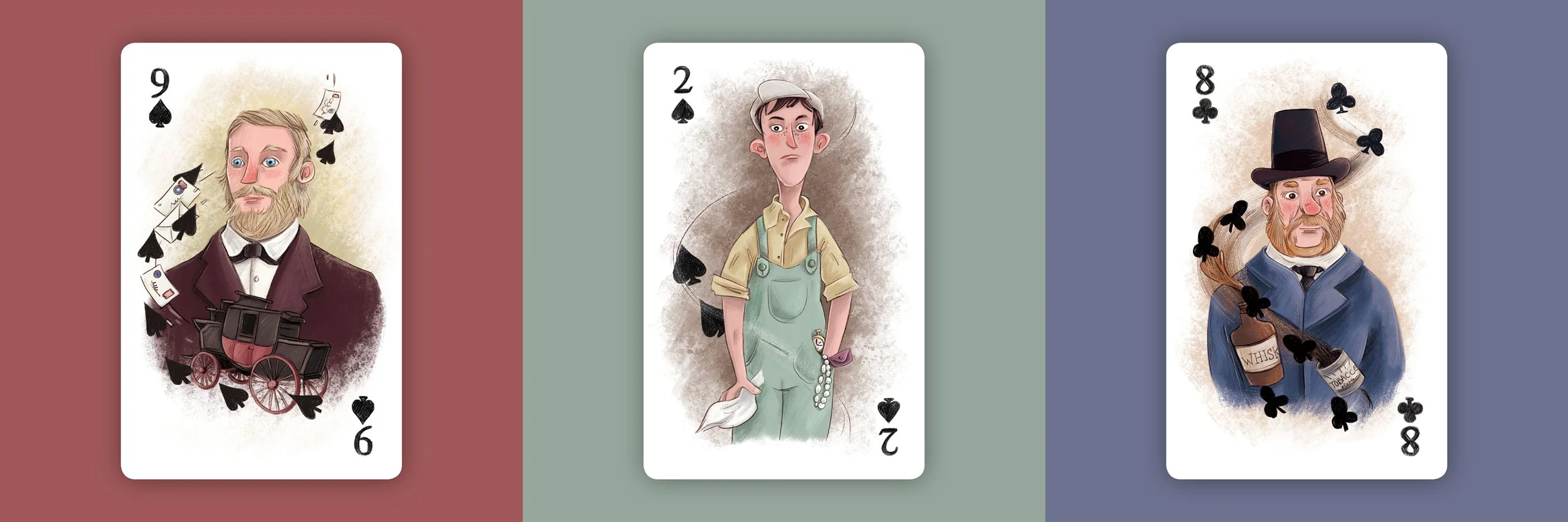
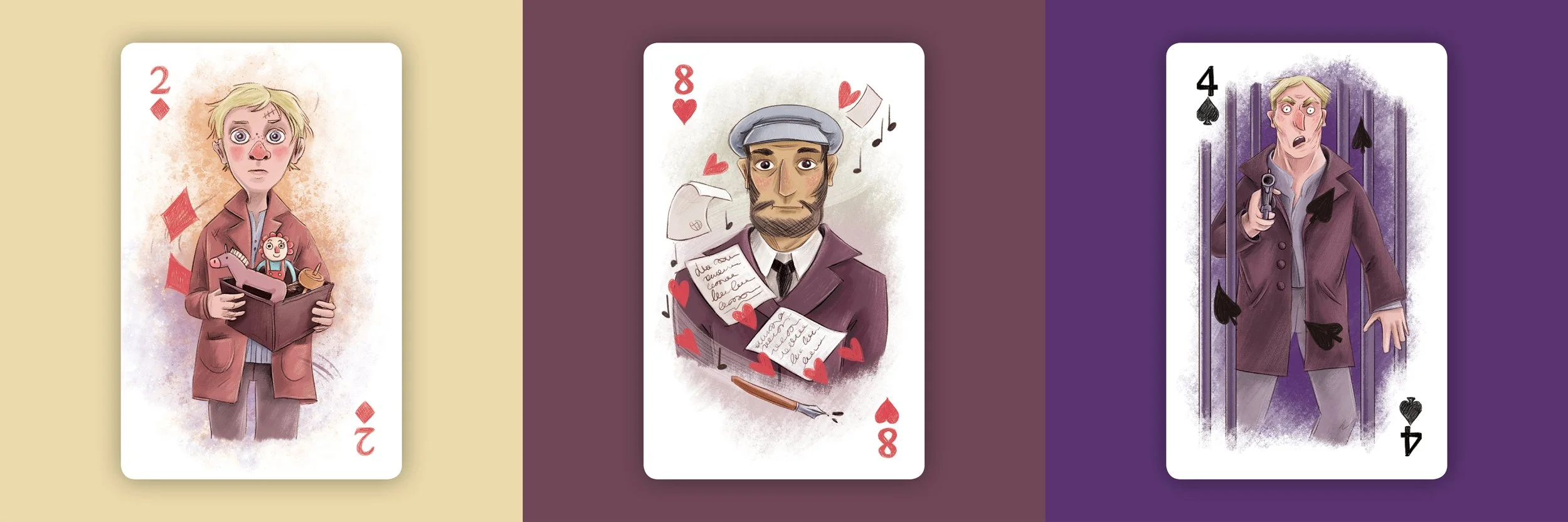
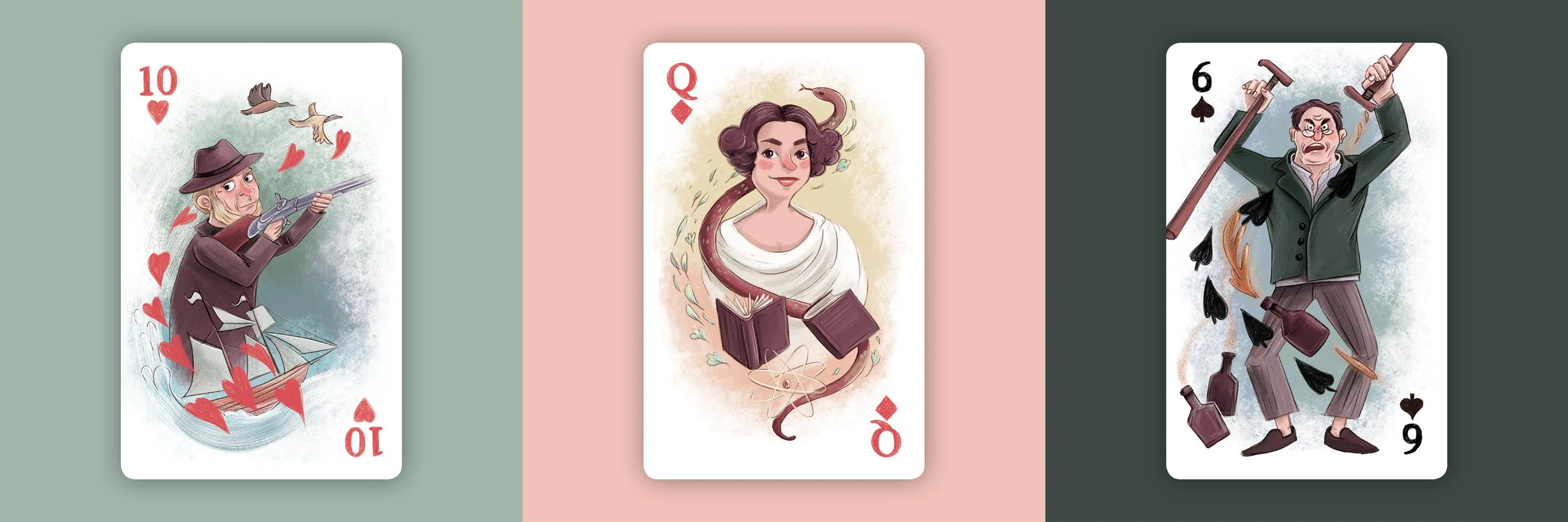
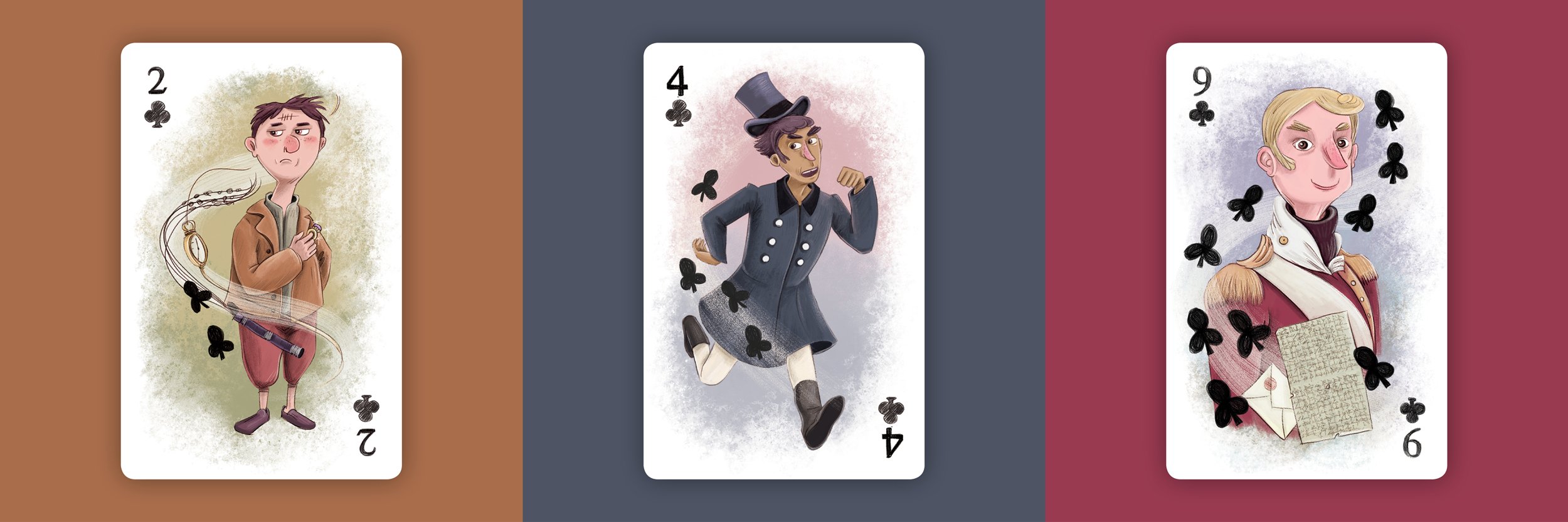
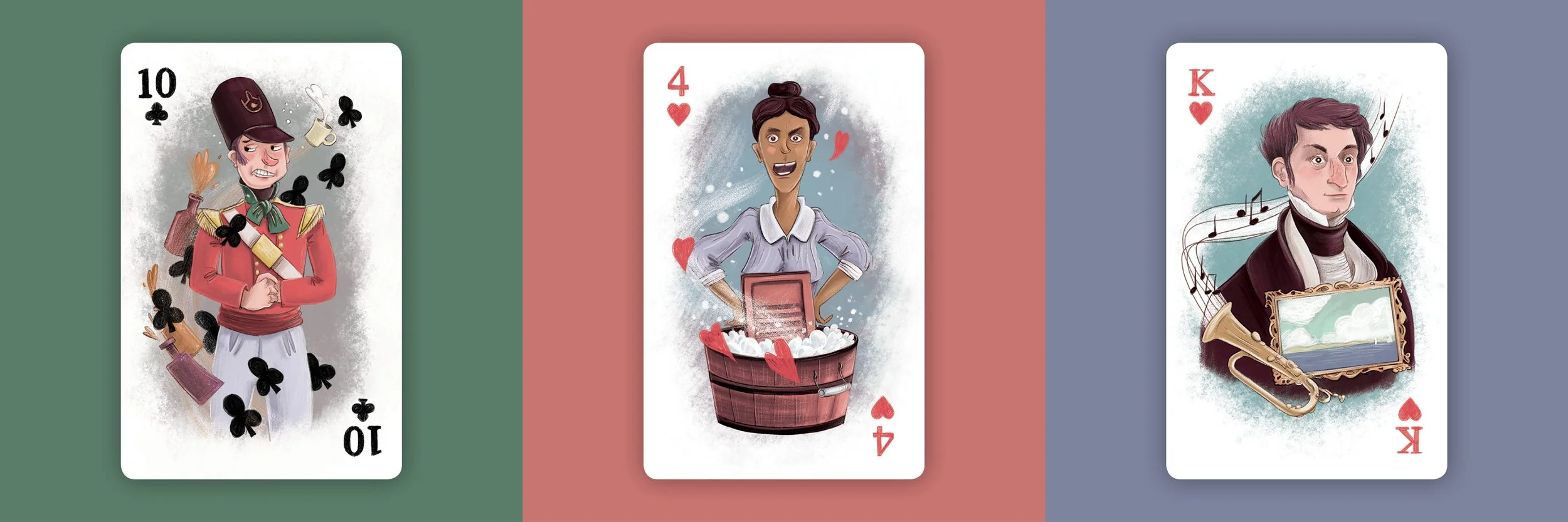
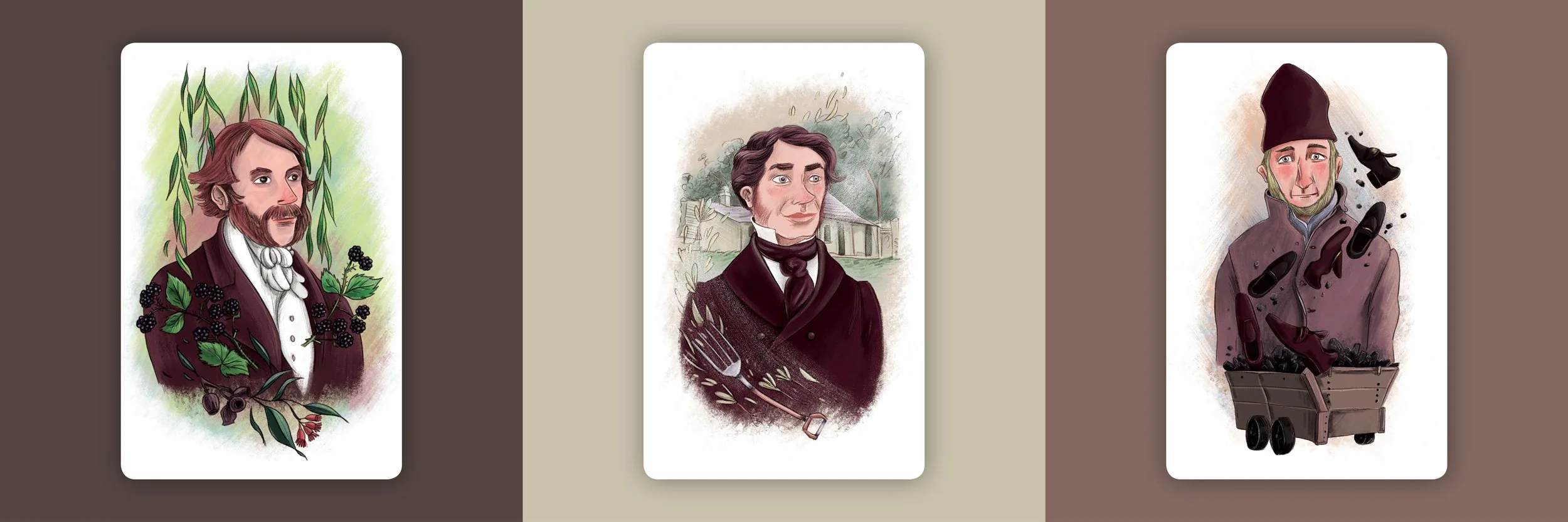
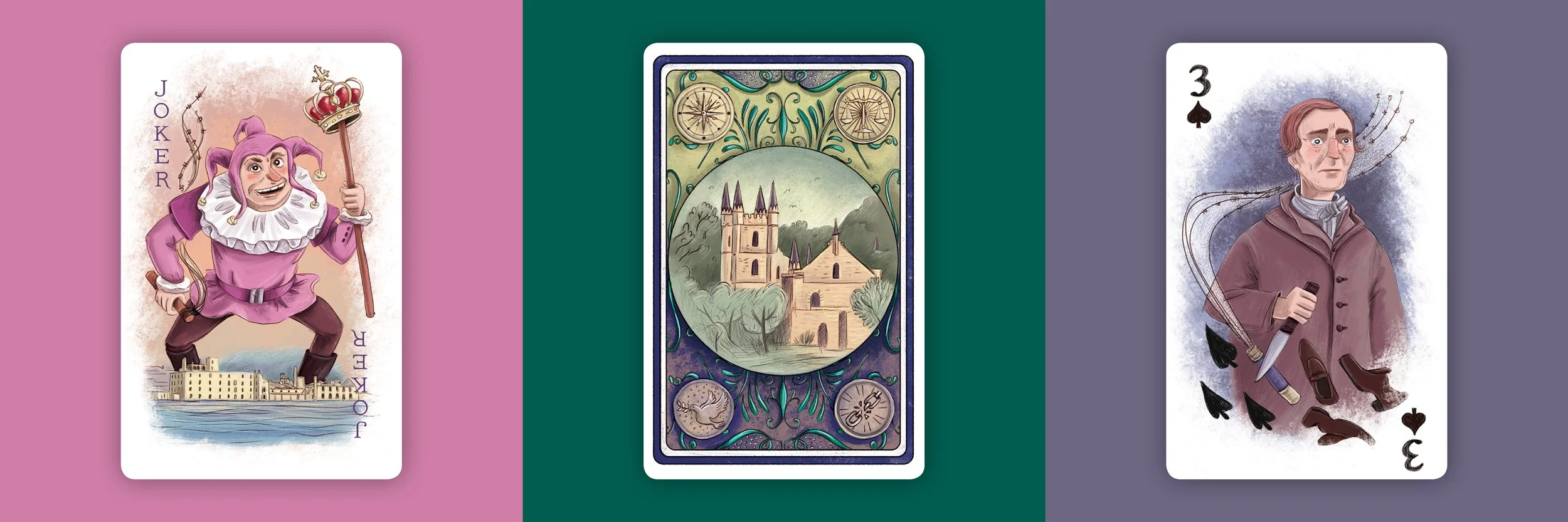
As part of my proposal I presented two directions. The first was friendly, stylised and contemporary, with a limited pastel palette, soft shapes, strong character design built around warmth and personality. The second was more realistic, with stronger line work and a vibrant colour palette, grounded in the period but still lively.
They chose option one. Once the direction was agreed, the process moved through three stages: concept development, draft illustrations, and final artwork. The visual language was set early, which meant we could spend the bulk of the time focused on the work itself.
Step 1: Concept development
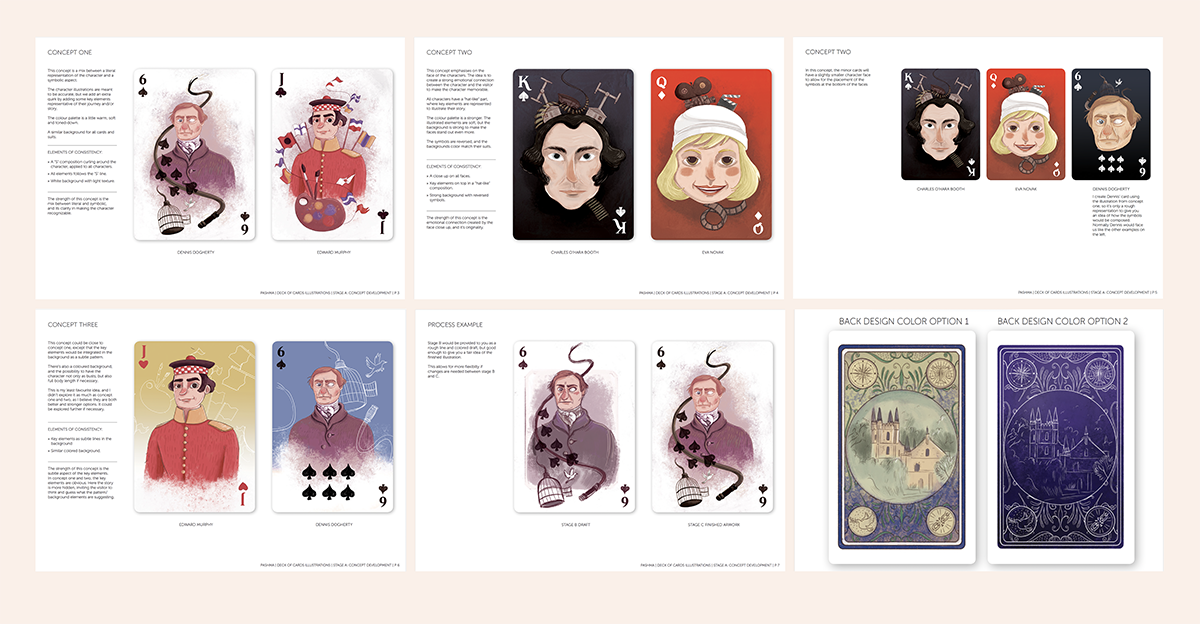
Step 2: Draft illustrations
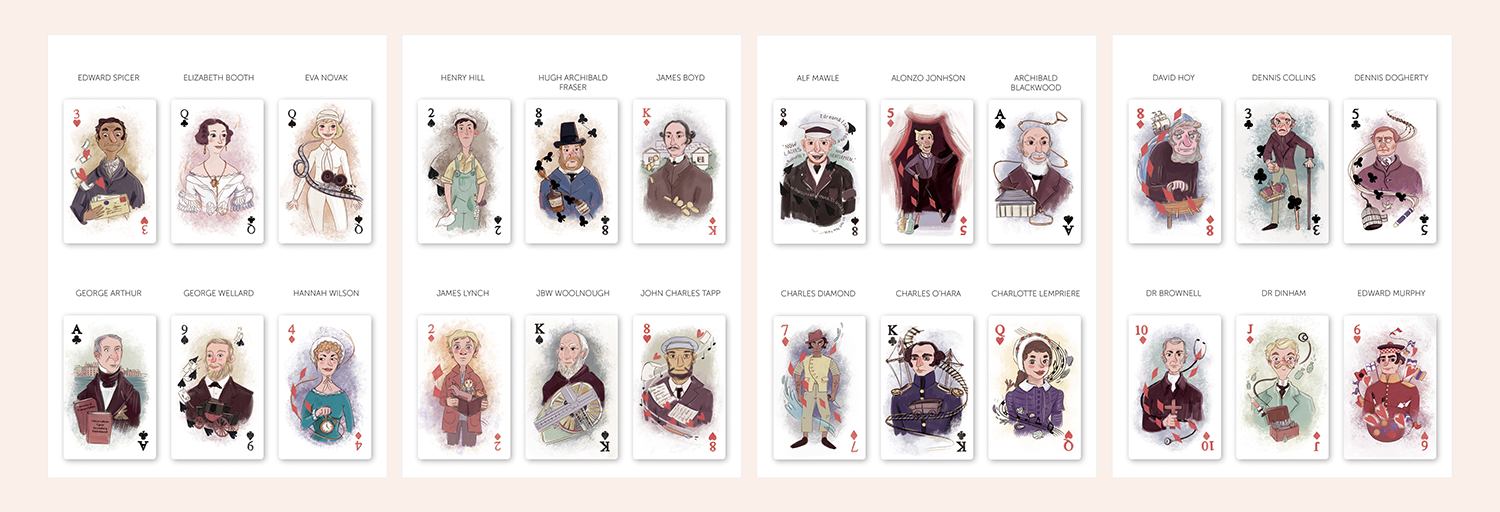
Step 3: Final illustrations
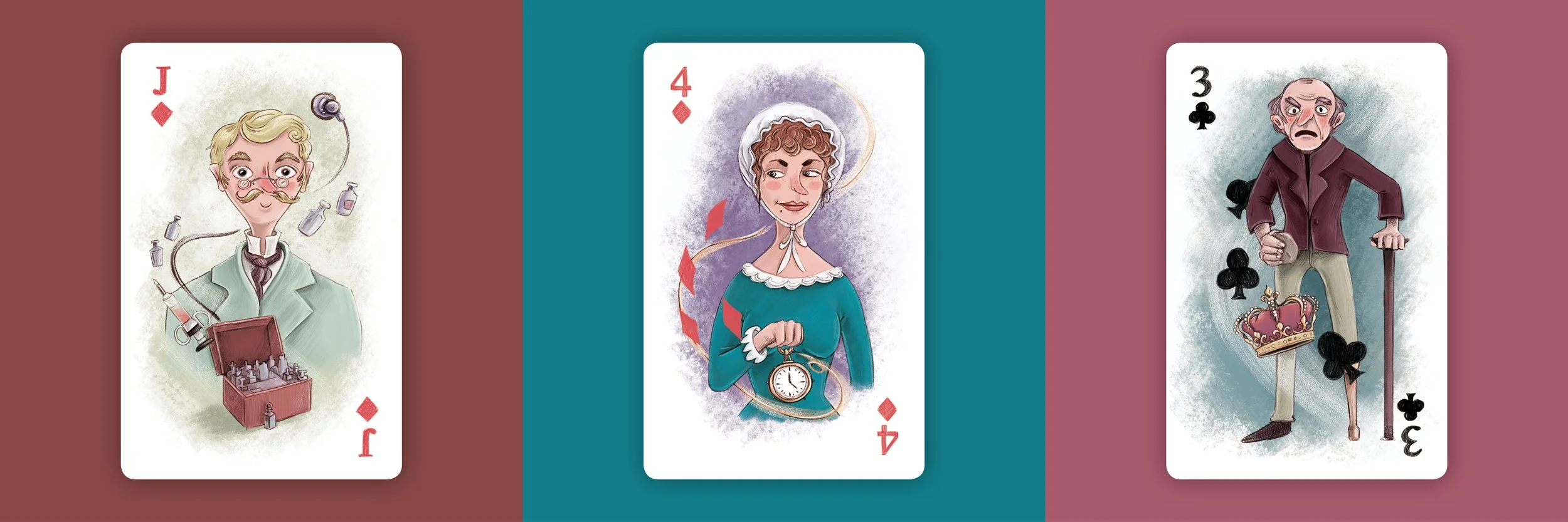
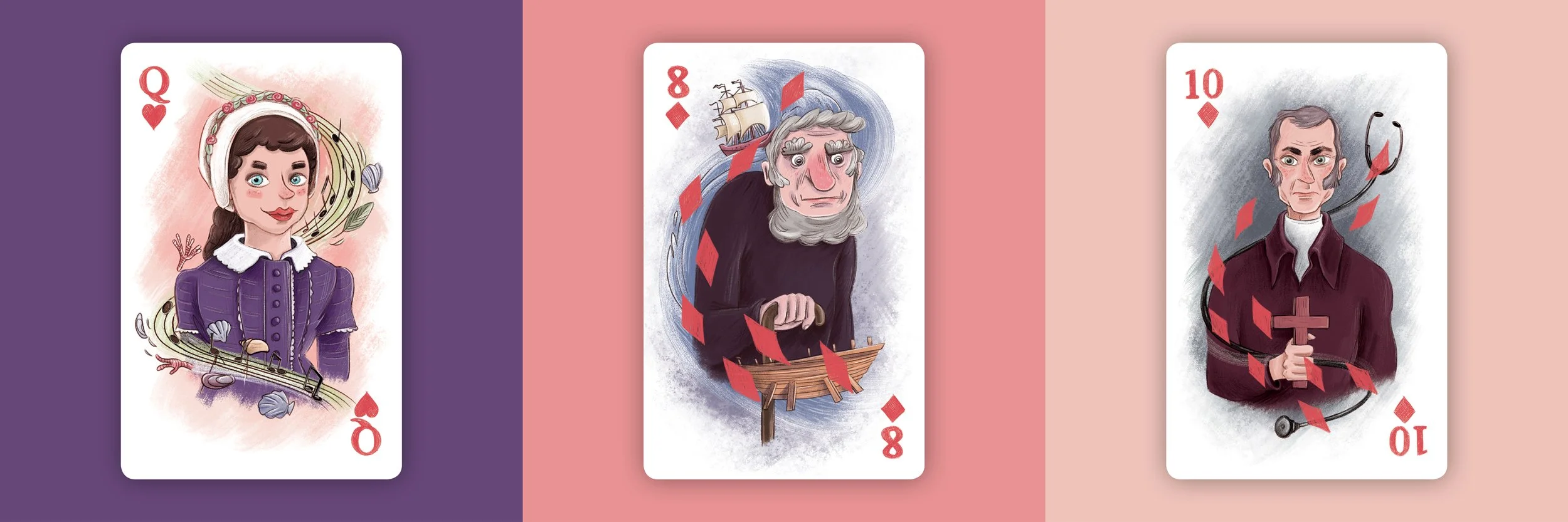
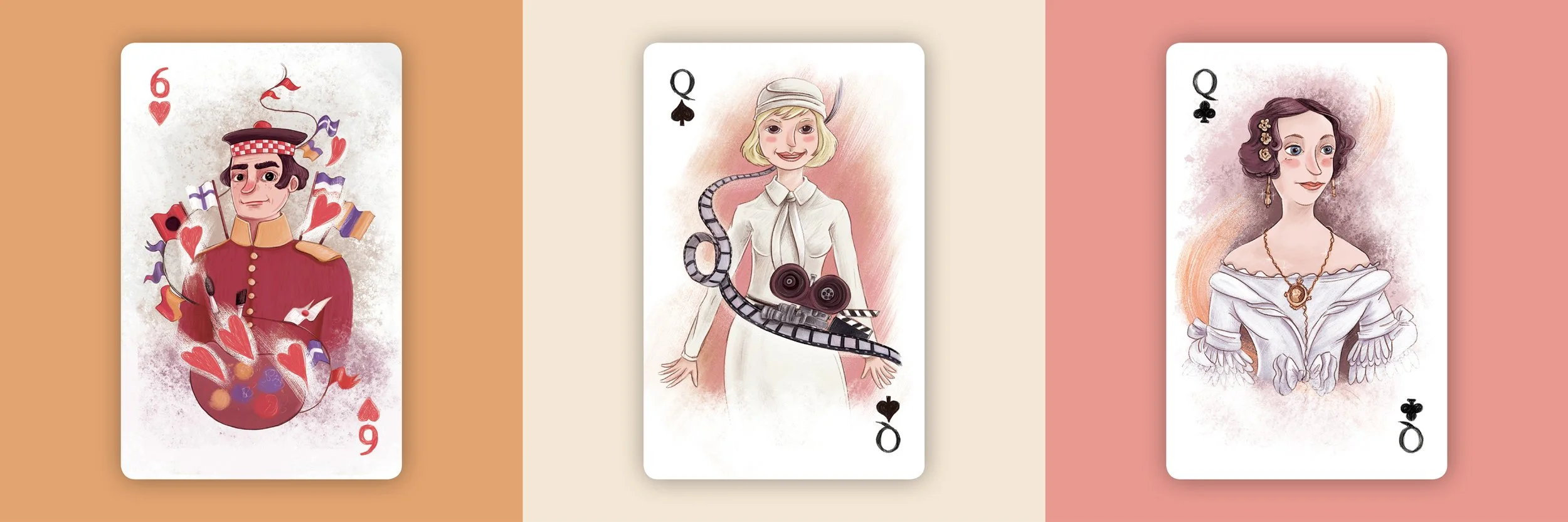
Beyond the cards
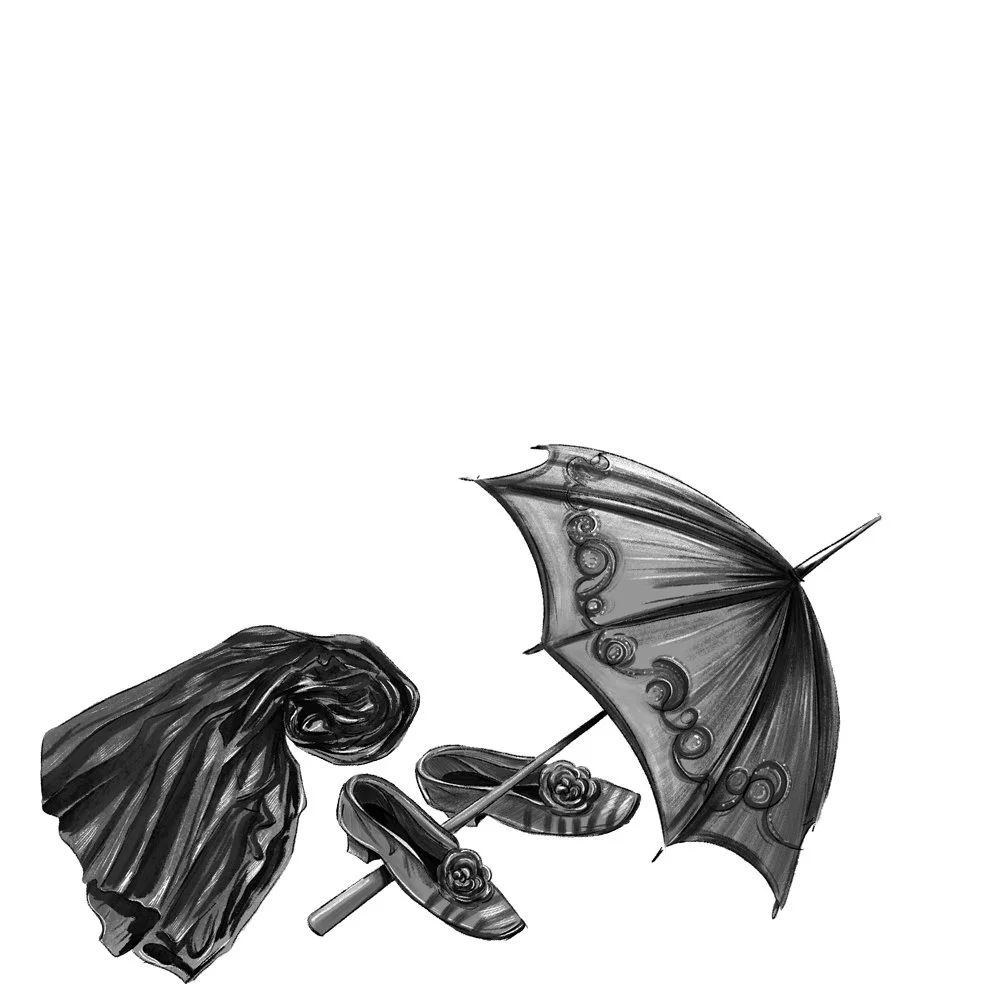
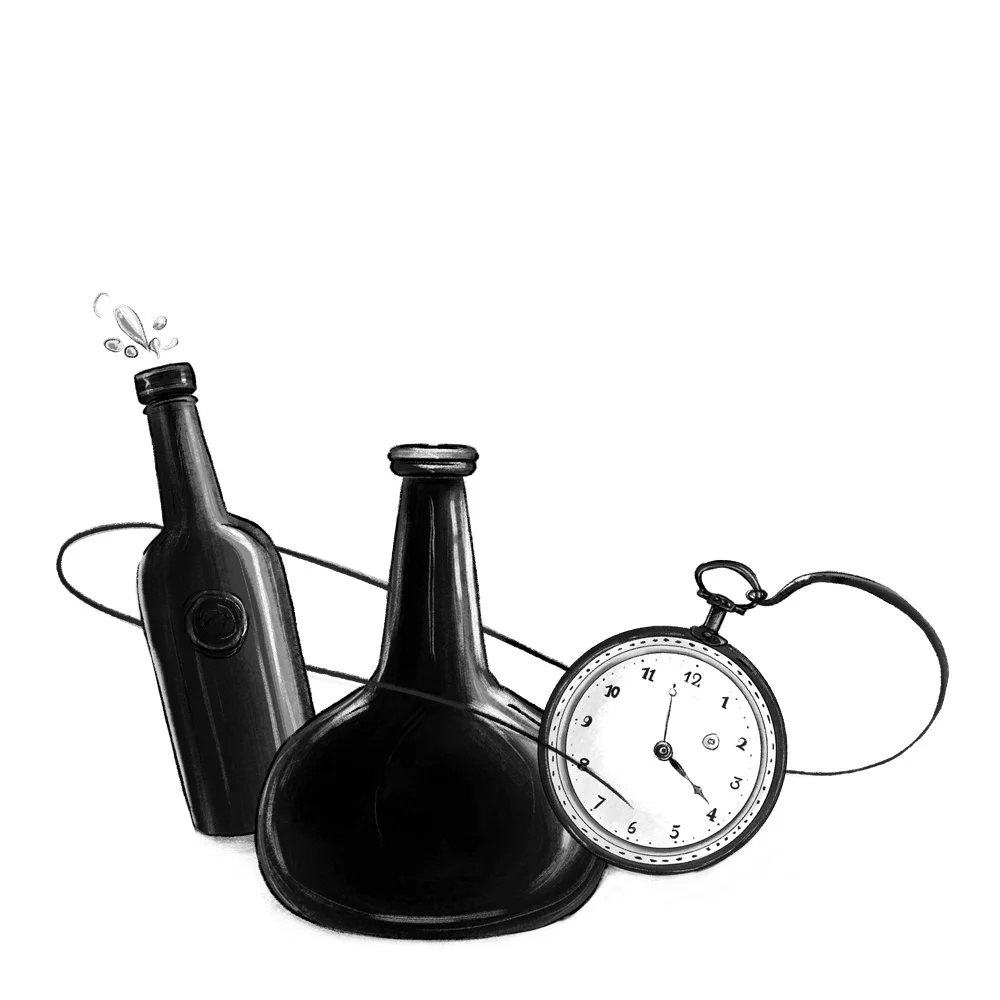
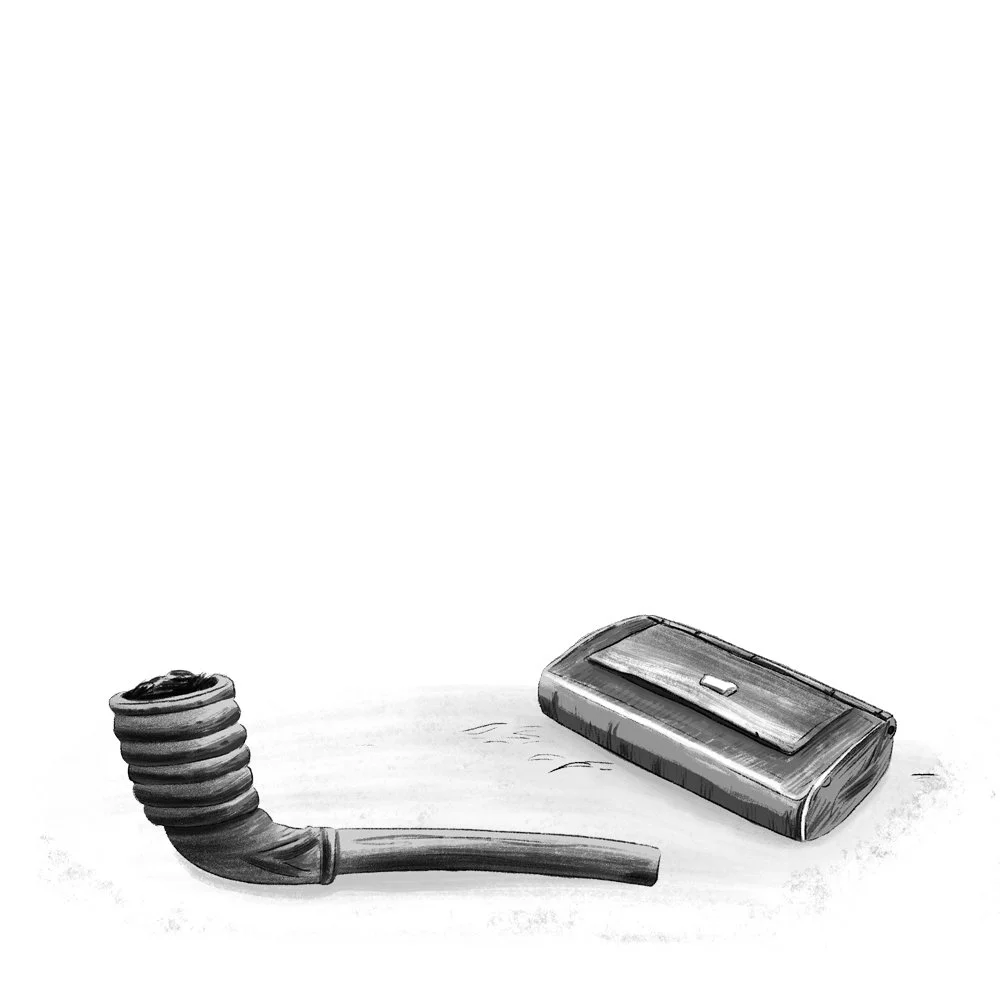
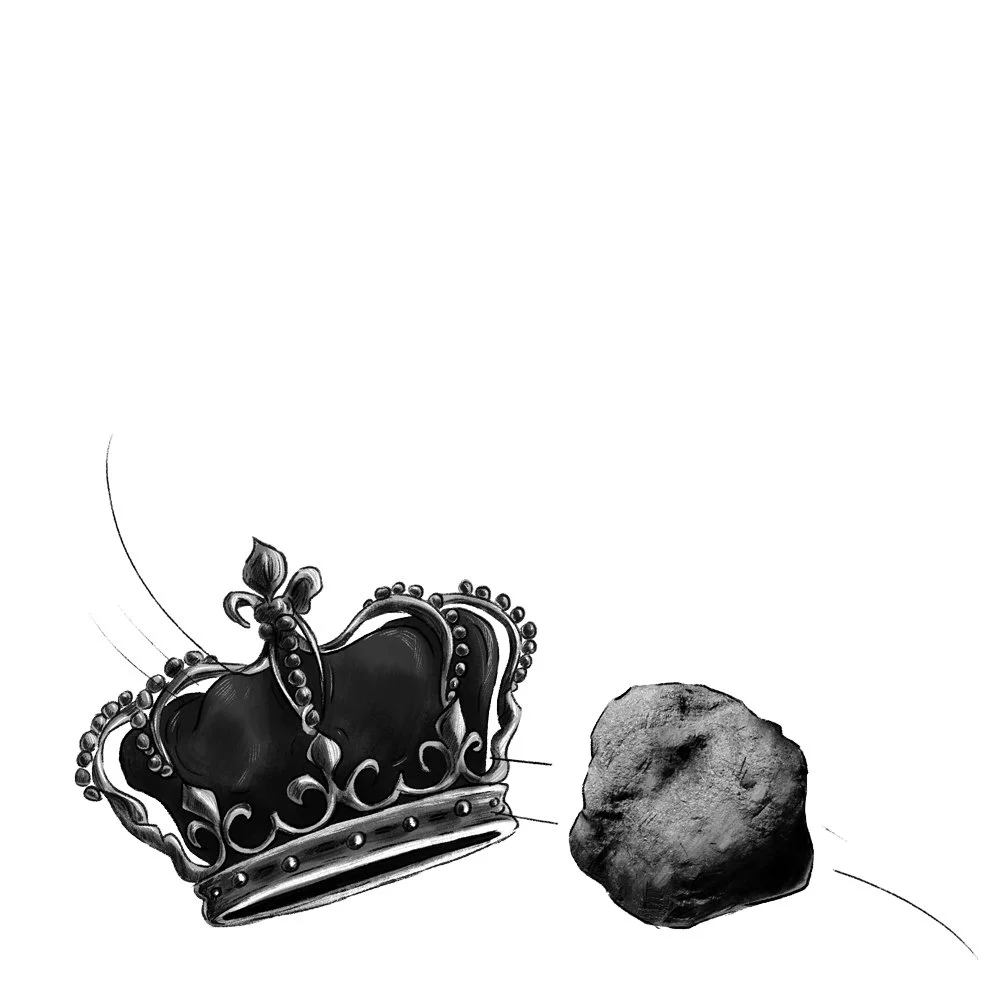
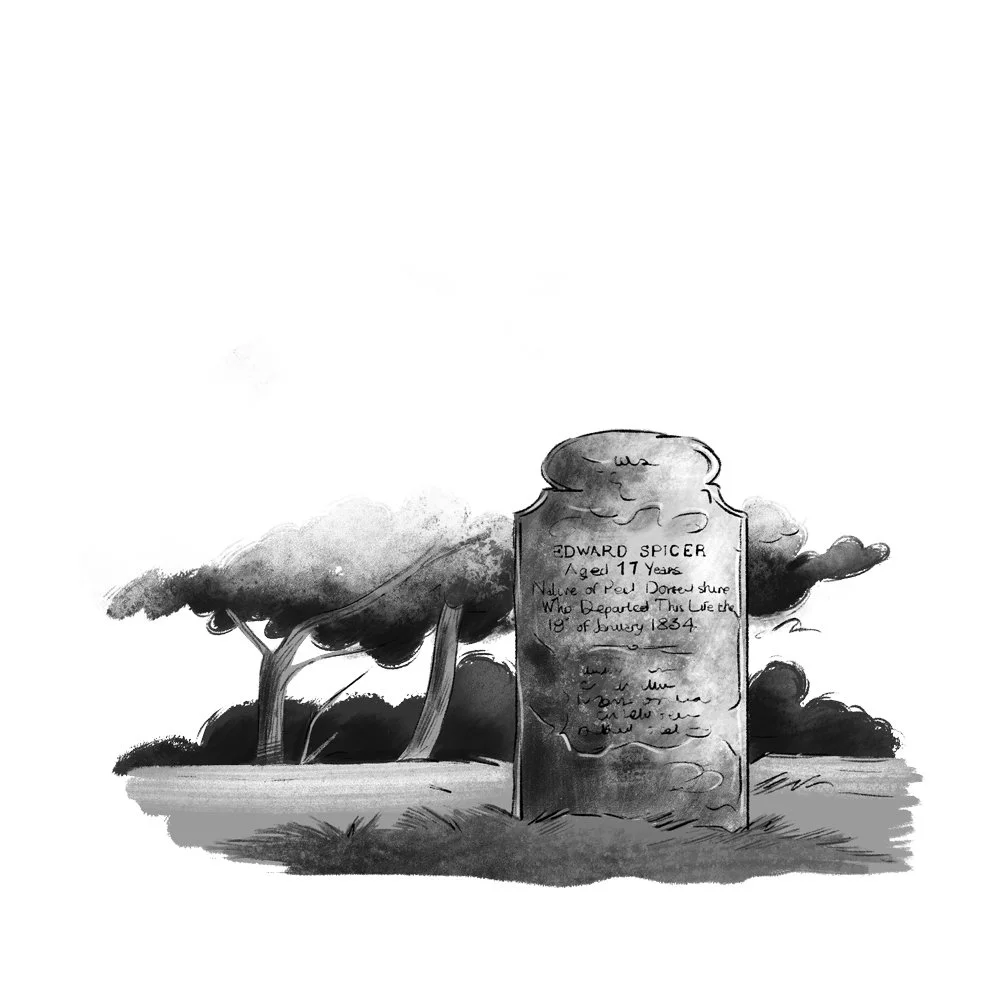
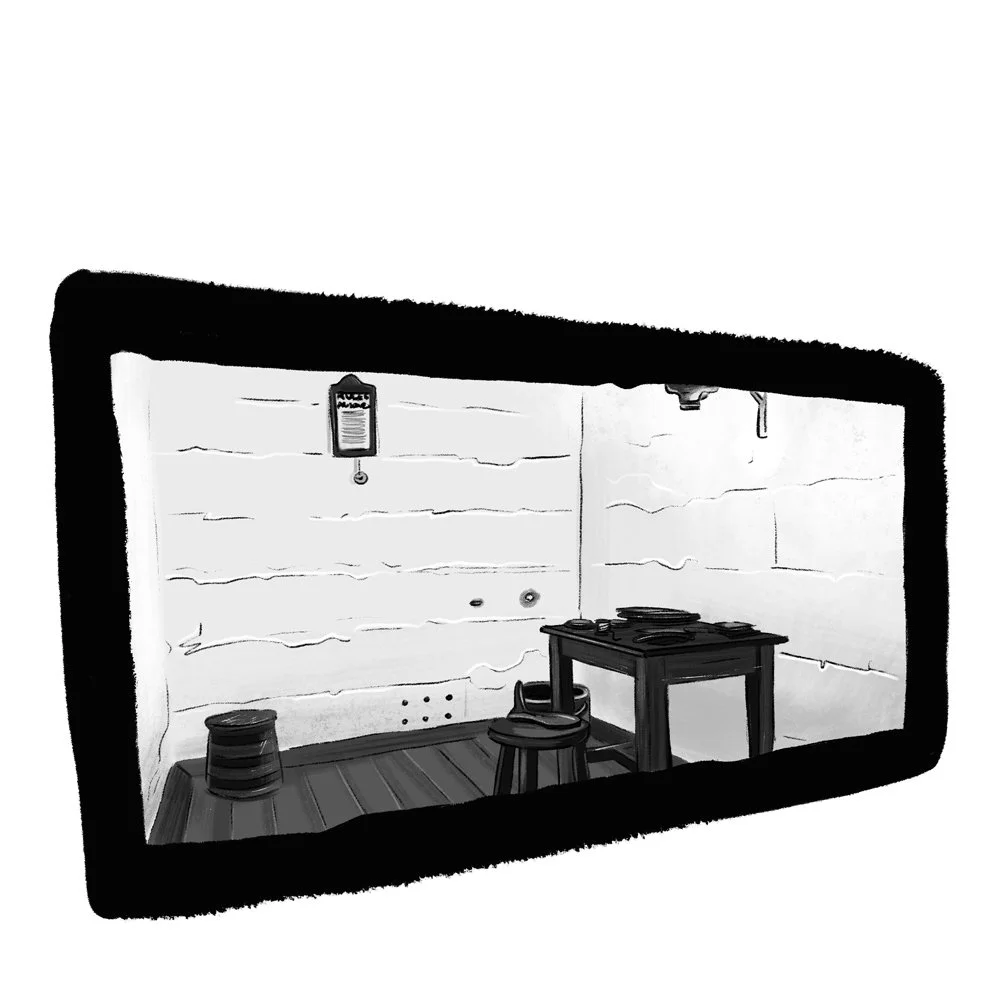
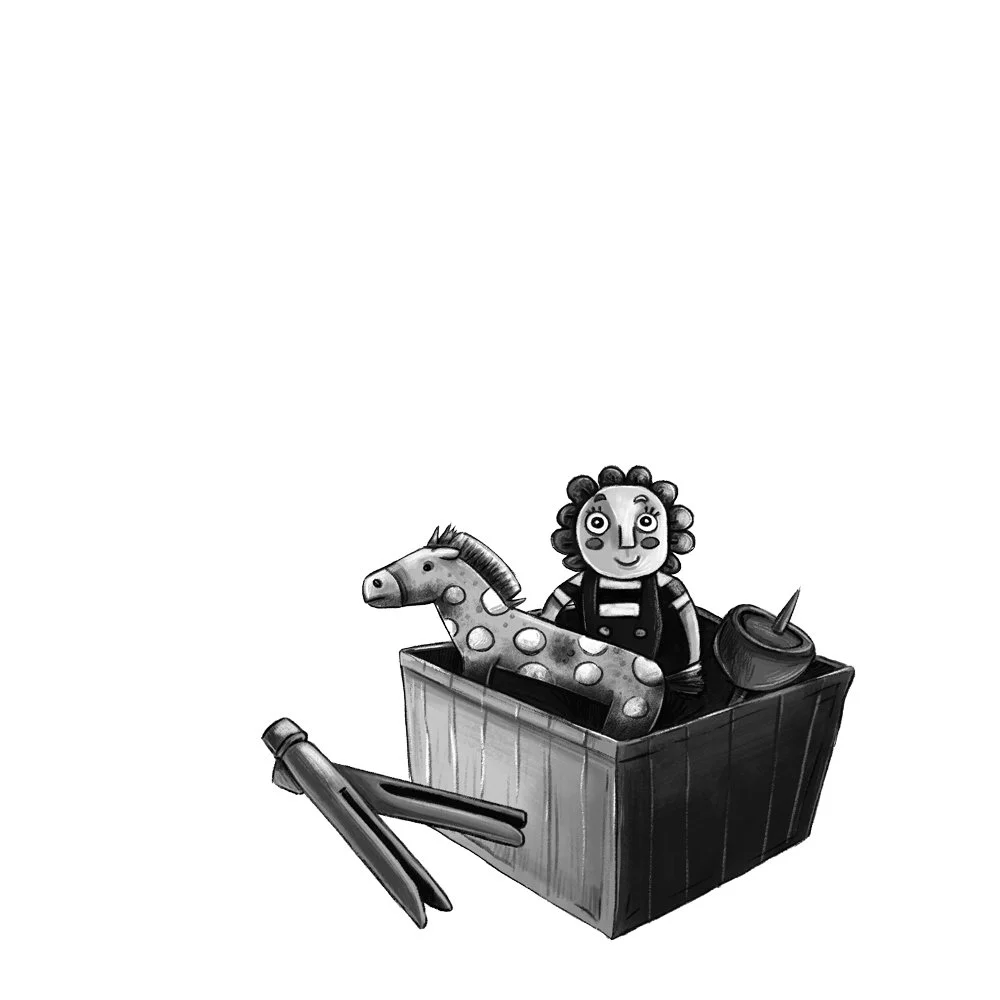
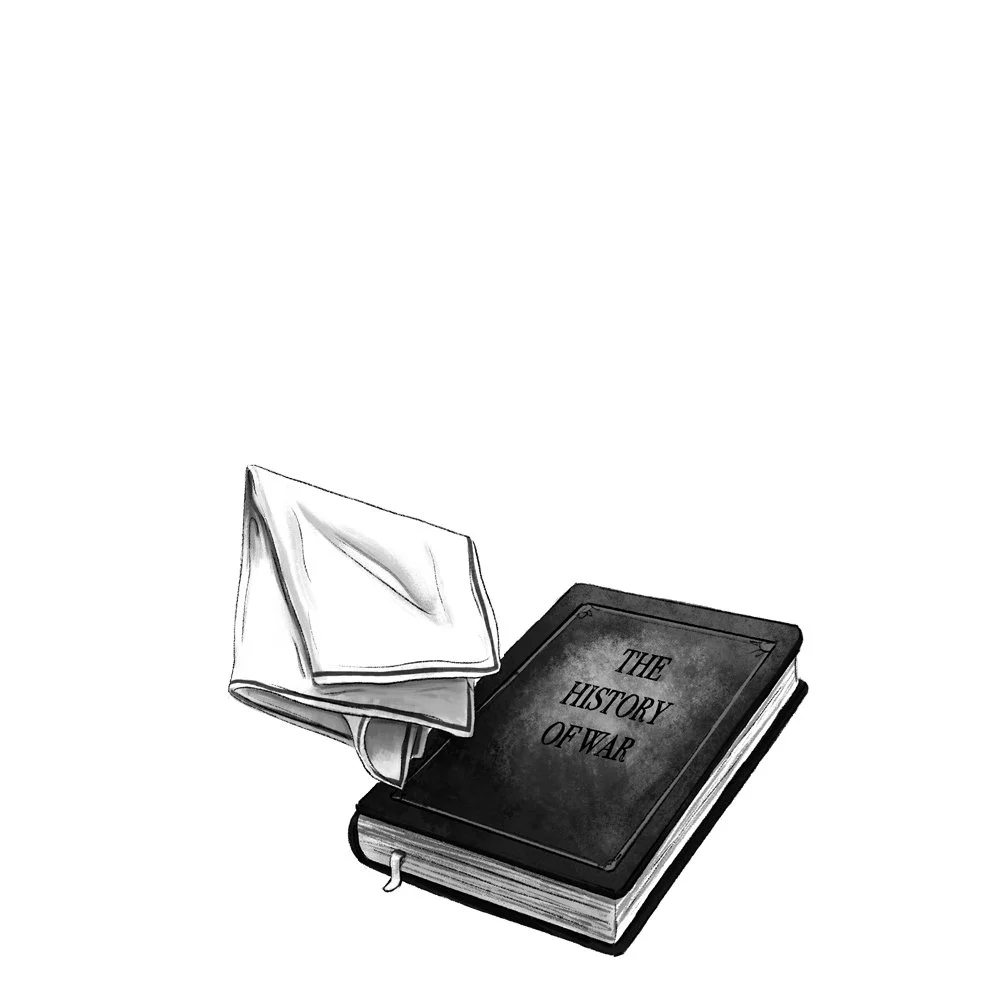
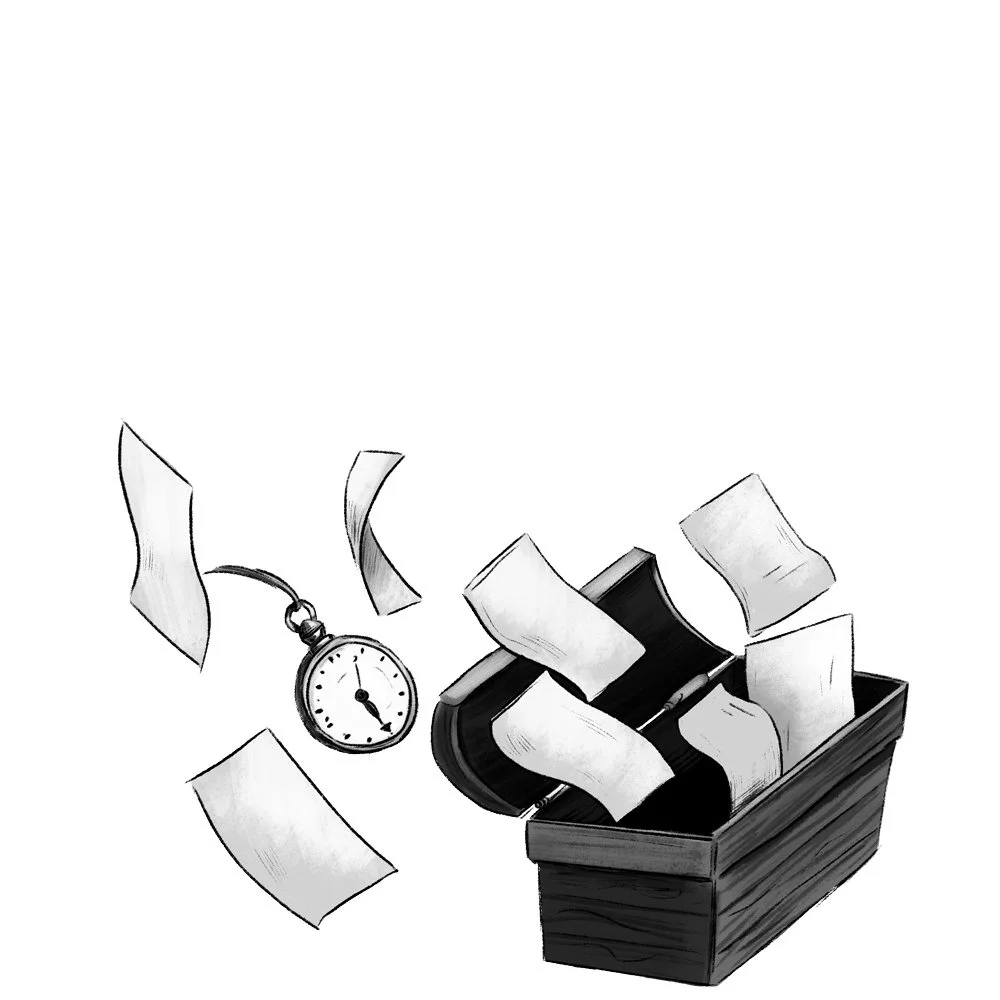
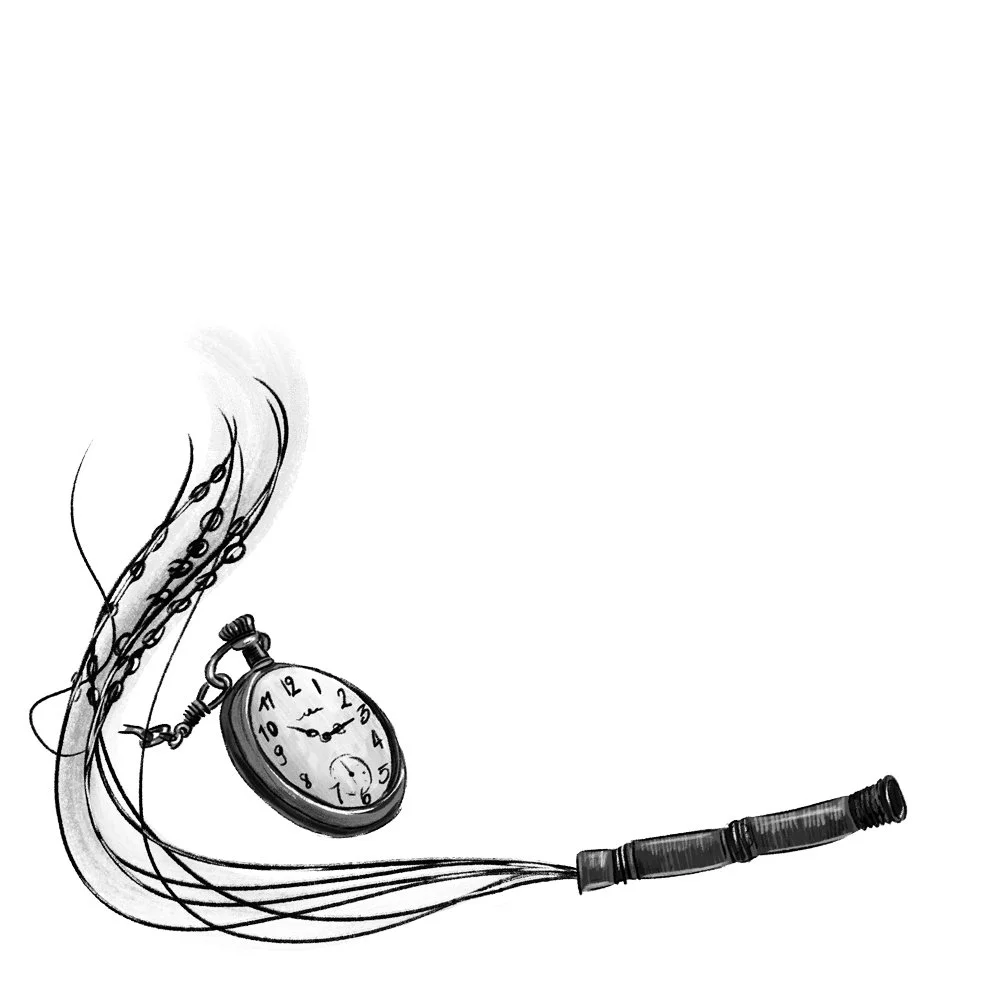
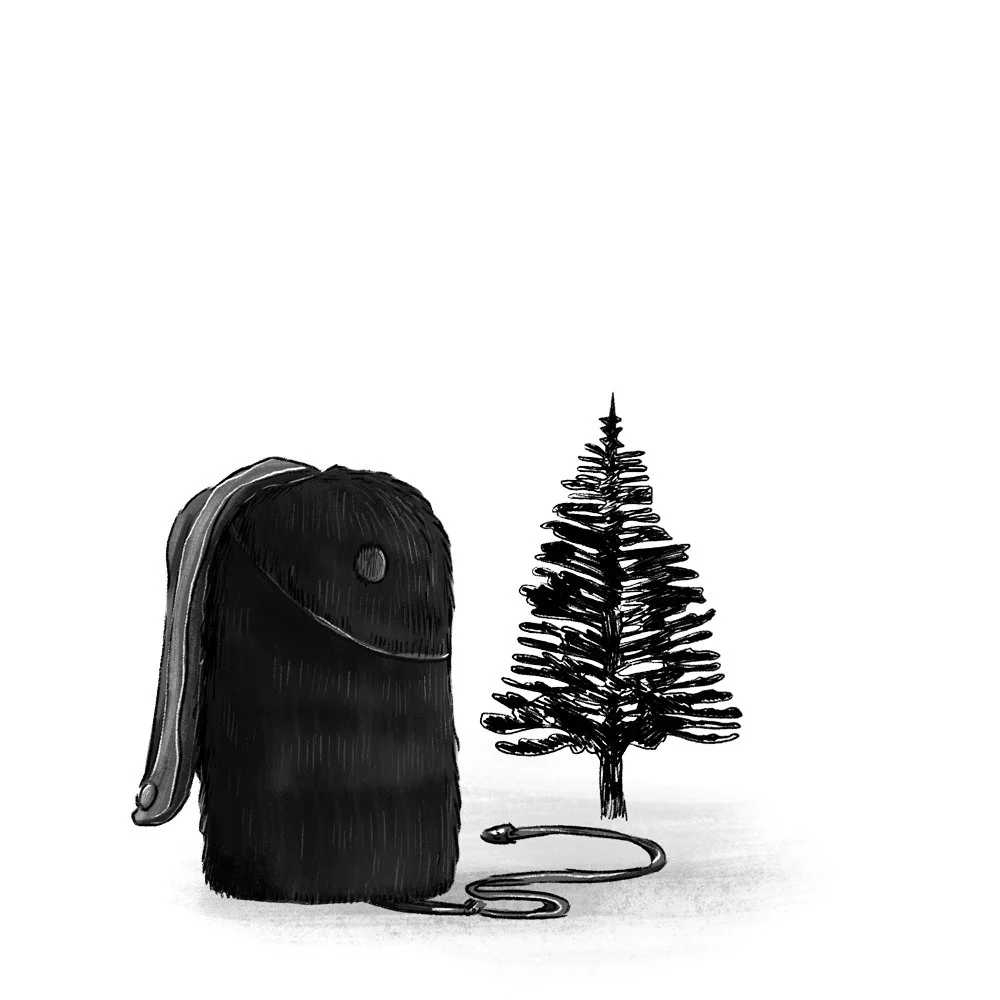
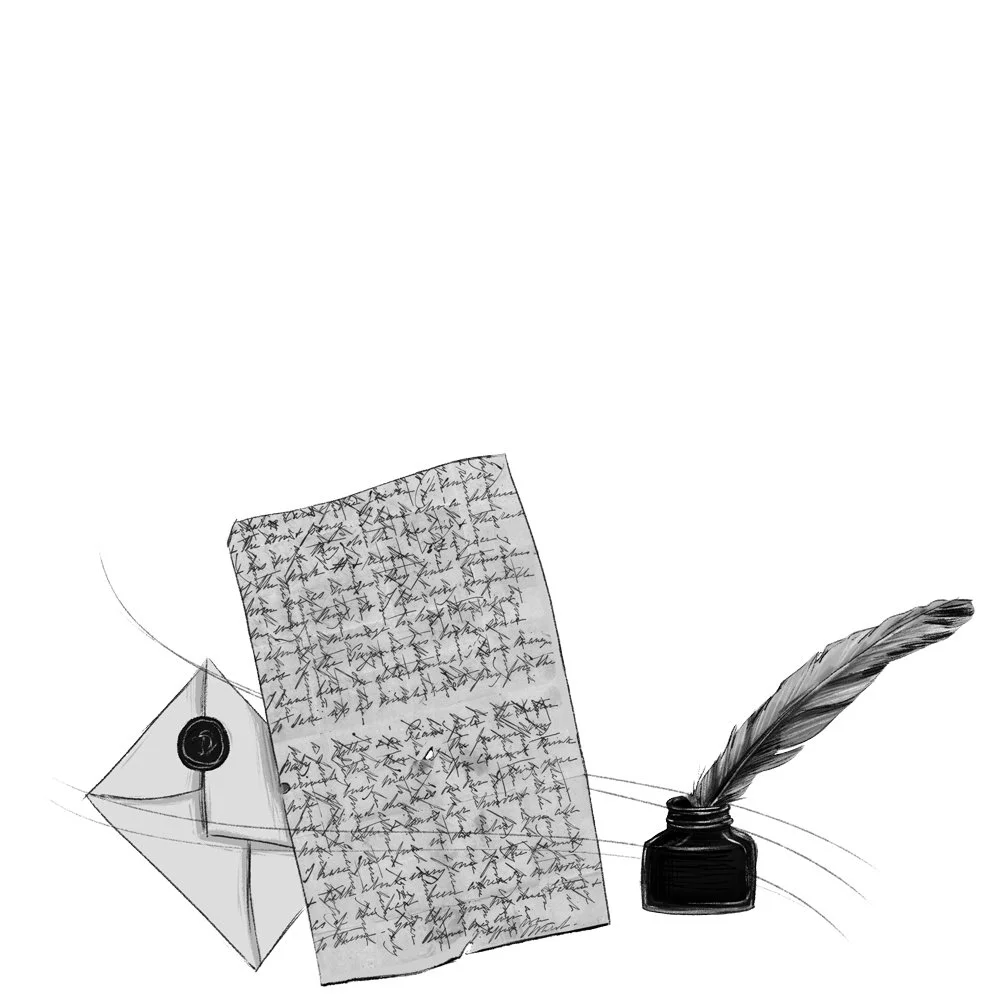
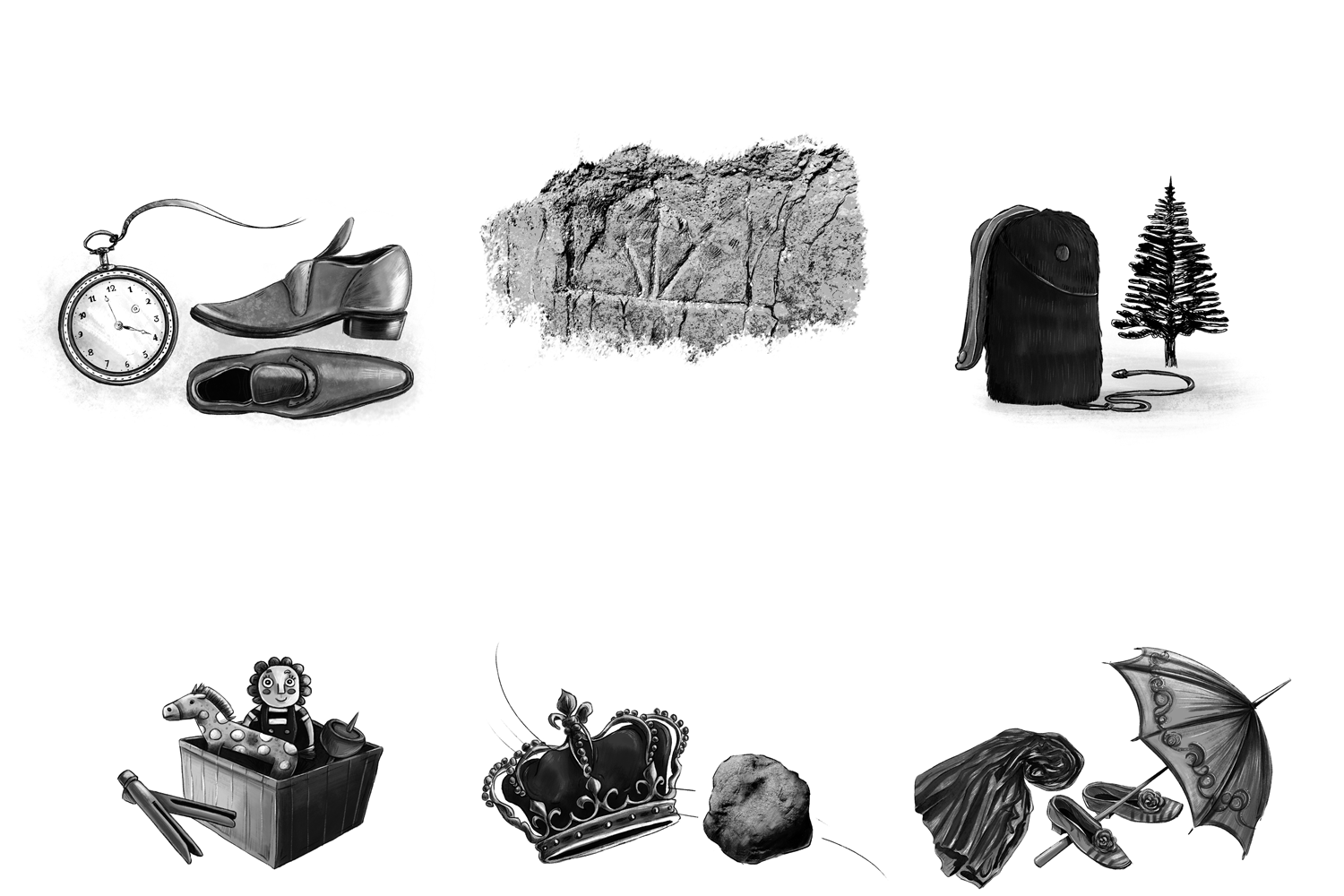
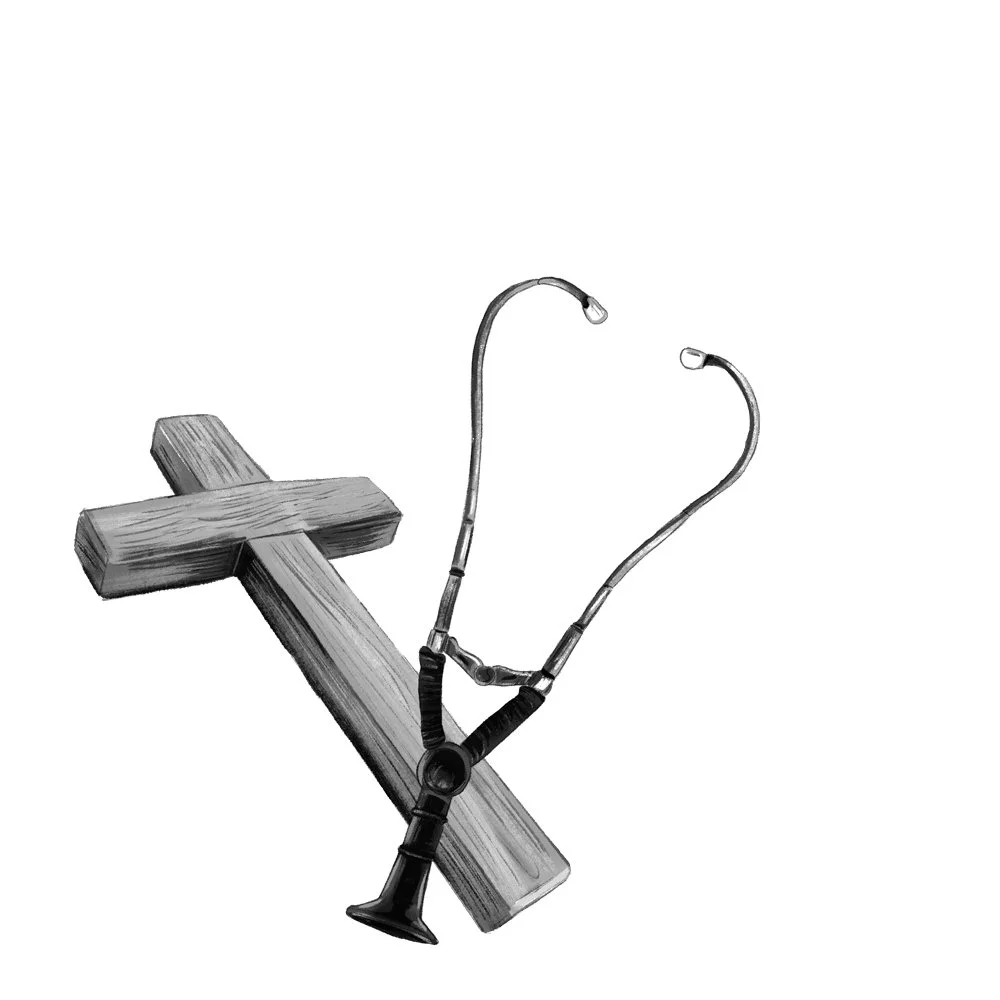
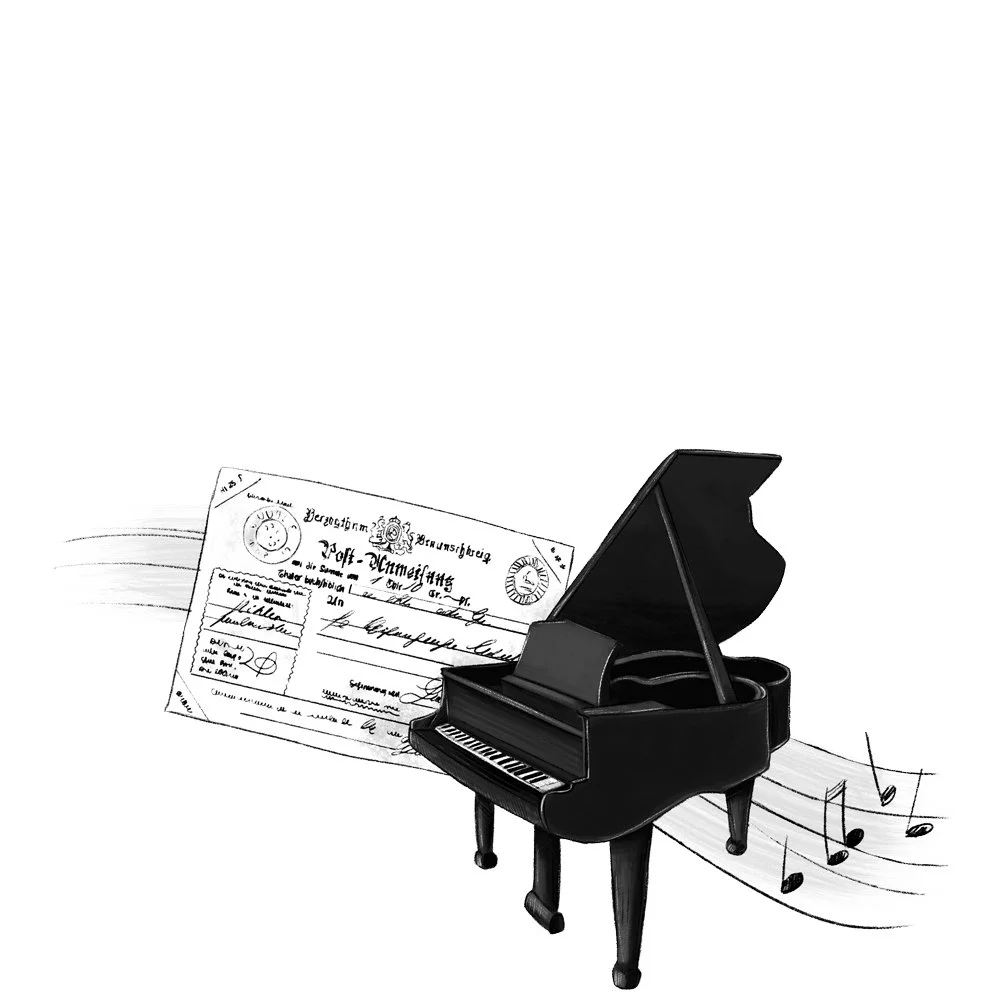
The project extended beyond the deck. I also created a series of object illustrations, artefacts connected to individual characters and stories, which found their way into signage across the Port Arthur site.
What the project gave back
I still get emails about those cards. People reaching out about a particular character they connected with, asking for more information, wanting to know the rest of the story. Once, someone wrote to tell me that one of the characters on the cards was their ancestor, traced through a long line of family history.
That's what illustration can do when it's grounded in real research and real people. It doesn't just decorate a place. It creates a thread between a visitor and a human being who once lived there. It makes history feel inhabited.
That's what I'm always trying to build, whatever the project, whatever the visual language.